• Hi guest! As you can see, the new Wizard Forums has been revived, and we are glad to have you visiting our site! However, it would be really helpful, both to you and us, if you registered on our website! Registering allows you to see all posts, and make posts yourself, which would be great if you could share your knowledge and opinions with us! You could also make posts to ask questions!

Something interesting.

Joined
Jan 4, 2026
Messages
4
Reaction score
9
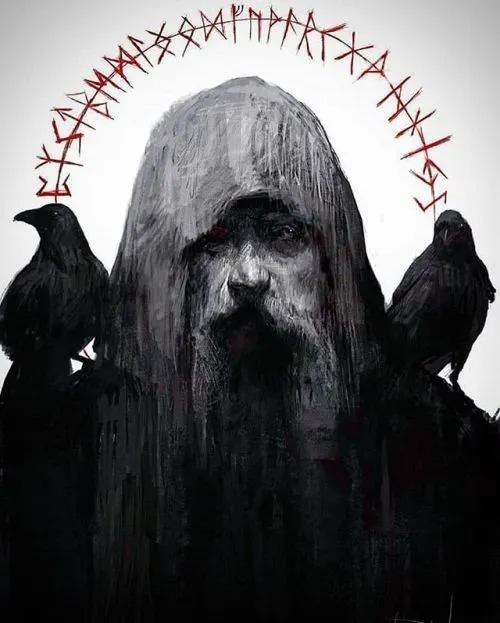
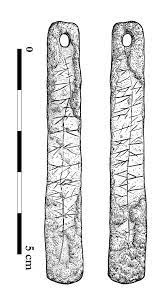
This image is a sketch of runes that are on a strip of bronze from Orkney Island. It's thought to be an amulet with a prayer or bind runes on it, but nobody has been able to decipher it. I'm not an expert, but I thought I would feed the combined transliterations into a translator with Icelandic as the input, and It gave me this:

"All-father, I ask you to renew my strength. [You are] the primordial, unknowable, eternal truth (or the eternal and true), in small, & great [things]. [You are] the greatest [best] of gods". Believe me I was shocked when more than just gibberish came out of it. Something coherent that fits what we would see on a Norse talisman. It's astonishing. So often runes surprise me with their reverence and grace. This may not be all of it since some of the runes are corroded, but I think it gets the gist of the inscription.
G90KL_c_Ws_AA0at5.jpg


Of course this is about Odinn.

G90K3nh_X0AAc_L0d.jpg
 

Morell

Apostle
Joined
Jul 5, 2024
Messages
1,227
Reaction score
2,343
Awards
13
transitron sounds Christian-like. What is the dating of that amulet?
 
Joined
Jan 4, 2026
Messages
4
Reaction score
9
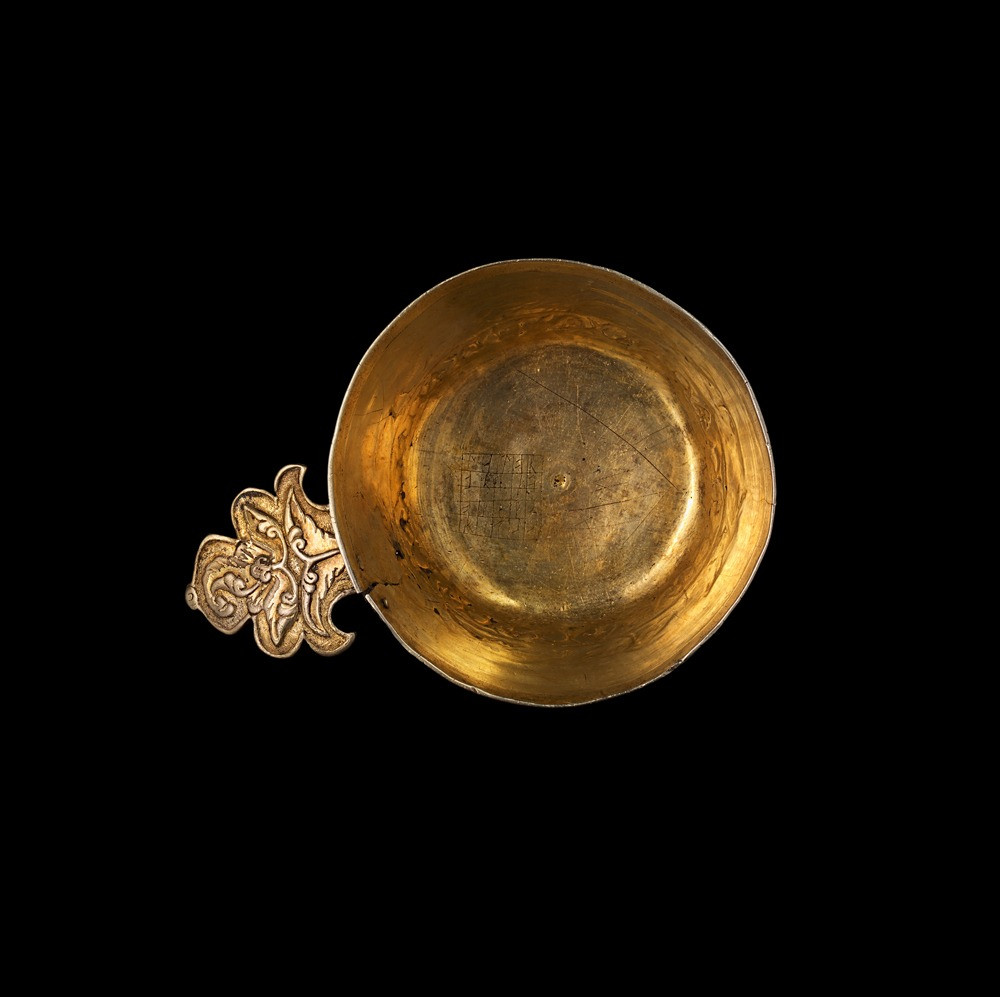
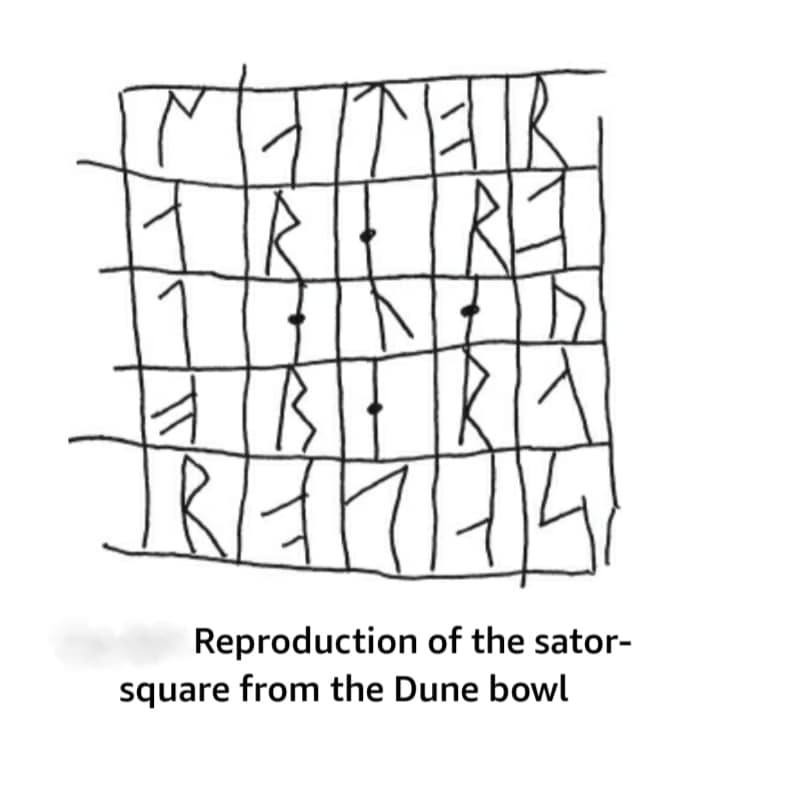
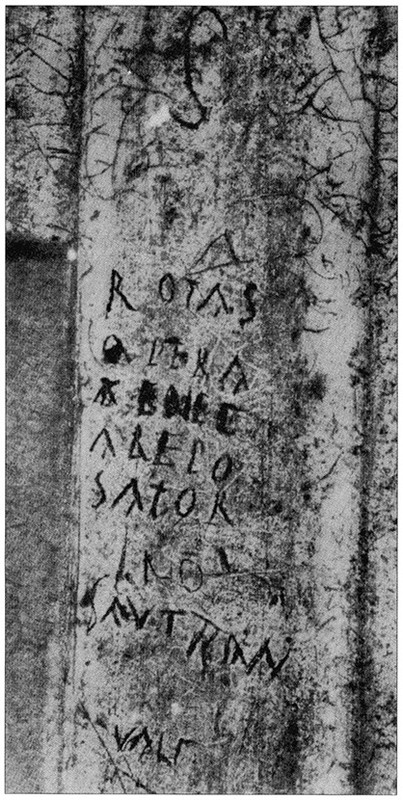
I'm not sure because the sources on it are very limited at the moment (it's in books, not really online) but considering the dating of the other treasures in the Orkney hordes, it seems to be somewhere around 800-1100 AD/CE. Hordes all over the islands do indicate there was some limited contact with Christians, but if you read any pagan texts, there's a striking similarity between pagan prayers and Christian ones. Reverence or similarity in phrasing is not limited to one religion. You can find translations that sound very Christian from ancient texts all over the world if you really want to think of them in that way, but the original people would not have felt that way about it even if it would sound like it to us. This is why syncretism was repeated so often. I mean there's even similarity between Odin being stabbed with a spear and Jesus having the same thing happen while hanging on a tree which was in Norse mythology way before Christian monks even visited Scandinavia. One could argue that they thought it was not a huge leap to combine the two or see Jesus as just another manifestation of Odin. It's common for Kristr and Odin to be interchangeable after a certain point when there was an obvious blending of the two religions. You can see this in the modern copies of the Eddas. The stone sator square was even found buried under the ash near Pompeii, dated to 79 AD/CE well before Christianity was even heard of there, indicating that something very similar to "The Lord's Prayer" predates it's widespread use as a specifically Christian thing. Some think it was part of Mithraism. Likewise it was also found in a Viking bowl from Dune, Sweden.
201152387-10158208038912322-6641.jpg
482984586-1057973959685571-59359.jpg
Sator-Square-Palestra-Pompeii-CI.jpg

People back then didn't really think of religion in the same way we think of it today. It wasn't so strictly compartmentalized, and there was a ton of crossover between cultures/beliefs. Greeks would feel just as comfortable praying to Osiris as they did to Dionysus. Very rigid separation is more of a recent development in history. It took several religious conflicts, inquisitions, and witch hunts to hammer this idea into the people of Europe and West Asia throughout the last 2000 years, and now many religions worldwide tend toward this kind of orthodoxy in sharp contrast to the blending that went on before that time.
 

Ohana

Neophyte
Joined
Jan 2, 2026
Messages
5
Reaction score
7
Yeah I'm going to use myself and my generation as an example. I didn't go to church except like once or twice to learn the stories and then I had acess to the internet.

So I learned about a lot of different religions and myths and legends and about a lot of them.

So I never really learned about the separation of religions and I notice some younger people today don't separate it that much either. Some probably still do

I mean because of the new books like Percy Jackson and the Greek myths becoming more widespread I meet people that just practice it and thats really it.

Some of the younger people maybe don't give it the respect it deserves because of the colonial mindset thats been involved but some do. I try to respect it. I'm not perfect at it because I probably have also unwittingly taken in the colonial mindset.

I talked to some more of my peers and they all have really diverse beliefs.
 

Morell

Apostle
Joined
Jul 5, 2024
Messages
1,227
Reaction score
2,343
Awards
13
I'm not sure because the sources on it are very limited at the moment (it's in books, not really online) but considering the dating of the other treasures in the Orkney hordes, it seems to be somewhere around 800-1100 AD/CE. Hordes all over the islands do indicate there was some limited contact with Christians, but if you read any pagan texts, there's a striking similarity between pagan prayers and Christian ones. Reverence or similarity in phrasing is not limited to one religion. You can find translations that sound very Christian from ancient texts all over the world if you really want to think of them in that way, but the original people would not have felt that way about it even if it would sound like it to us. This is why syncretism was repeated so often. I mean there's even similarity between Odin being stabbed with a spear and Jesus having the same thing happen while hanging on a tree which was in Norse mythology way before Christian monks even visited Scandinavia. One could argue that they thought it was not a huge leap to combine the two or see Jesus as just another manifestation of Odin. It's common for Kristr and Odin to be interchangeable after a certain point when there was an obvious blending of the two religions. You can see this in the modern copies of the Eddas. The stone sator square was even found buried under the ash near Pompeii, dated to 79 AD/CE well before Christianity was even heard of there, indicating that something very similar to "The Lord's Prayer" predates it's widespread use as a specifically Christian thing. Some think it was part of Mithraism. Likewise it was also found in a Viking bowl from Dune, Sweden.
201152387-10158208038912322-6641.jpg
482984586-1057973959685571-59359.jpg
Sator-Square-Palestra-Pompeii-CI.jpg

People back then didn't really think of religion in the same way we think of it today. It wasn't so strictly compartmentalized, and there was a ton of crossover between cultures/beliefs. Greeks would feel just as comfortable praying to Osiris as they did to Dionysus. Very rigid separation is more of a recent development in history. It took several religious conflicts, inquisitions, and witch hunts to hammer this idea into the people of Europe and West Asia throughout the last 2000 years, and now many religions worldwide tend toward this kind of orthodoxy in sharp contrast to the blending that went on before that time.
This is excellent. Only thing it lacks is the difference between city and rural areas. Practices were different, just like in Christianity, when living in the city and when living half in the wildness. But beyond that note there is probably nothing I can speak against.

I agree about syncretism. That is why I asked. my thought was that it is from later time rather than earlier thanks to growing influence of the Christianity on the paganism practices. So I was guessing that it was rather late time amulet, like 11th century or later.
 
Joined
Jan 4, 2026
Messages
4
Reaction score
9
It's really hard to tell when it's from because not much information exists for the public, since John Hines says he can't decipher enough of it to publish his results. So of course they may not mention details like dating of the object. I could be wrong, but i haven't found anything about that yet to nail it down.

What I learned from the existing literature on it so far:

"It is impossible to determine where the inscription begins and ends on the page, or which side should be read first; however, it seems most reasonable to begin at the end with a hole, and I choose to follow Hines' page division. The main stems of the runes are slanted to the left on both the front and back. The shapes of the runes indicate that the inscription has a boustrophedon reading order. The transliteration proposed above has a large number of runes with several alternative readings; it should therefore be treated with great caution. The alternatives I choose are not based on any interpretation but on my subjective sense of reasonableness." -- Sofia Pereswetoff-Morath VIKING-AGE RUNIC PLATES

And then she goes into other transliterations which I had to type out and combine myself before feeding it into Deepl. I kept trying out different combinations until it gave me a coherent sentence without any more editing. It was trial and error and process of elimination. Until then the translations sounded a lot like text messages such as "I'll be back later" which makes zero sense on something like this bronze strip amulet. Bind runes are for luck or prayers. That's the context it has to be framed in. "Thank you very much Tyrone" is not something we would find on it 😂. And yes that was one of the weird results I discarded. I guarantee someone would have latched on to that as proof of other people besides Europeans living in Viking age Orkney. While it's possible foreigners did, that would be very poor evidence.
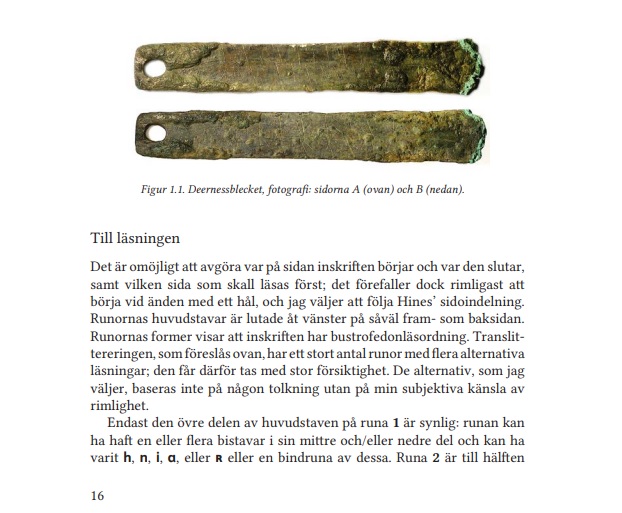
I was only able to fill in the blanks with some of it because of the "Al" at the beginning and "I ask you to renew me" pointed me in the direction of "All-father" and then it was clear this was a prayer to "the All-father". The rest was pretty self evident. The hard part is this seems to be non standard runes as well, so I have to trust the transliteration Sofia provided in the book. In this period of time, it's very likely the written language had evolved. So turning it back into runes is even more difficult because it doesn't quite match the scratches on the metal. But I do have a few different versions in a word document.

page16.jpg


The book has a bunch of tables and other information in it but I'm trying to finish getting it translated from Swedish so I can search for more information of a possible concrete date.

She does say this about a small section on the bronze strip:
"The preceding rune o together with the absence of pierced or medieval runes rather indicates the 11th century. In addition, Jonas Nordby (per s. comm.) believes that it is highly unlikely that one would encounter Greenlandic r-runes in an inscription whose r-runes have angular (closed or ope n) arches. I therefore choose to transliterate the rune as (l£u."

And this is why I came to the conclusion I did based on her scrutiny. She did an excellent job. She saw things that Hines missed because runes can be very subjective in many cases. The transliteration one chooses can be based on what they themselves see alone. But small clues can make things a lot clearer, such as the non standard runes Sofia was able to figure out. Which seems to be a blind spot for Hines. So it does seem, from her conclusion, that they would have had significantly more Christian influence based on the plausible 11th century dating of the runes, not the dating of the object itself.

Here are some different translations back into runes from Icelandic (in case someone wants to utilize them in their own crafting):

ᛅᛚᛋᚠᛅᚦᛁᛦ᛫ᛁᚴ᛫ᛒᛁᚦ᛫ᚢᛒ᛫ᚼᚬᛚᛒ᛫ᚦᛁᚾᛅ᛫ᛏᛁᛚ᛫ᛅᛏ᛫ᛁᛏᚢᚱᚾᚢᚬ᛫ᛋᛏᚢᚱᚴ᛫ᛘᛁᚾ᛫ᚦᚢ᛫ᛅᚱᛏ᛫ᚼᛁᚾ᛫ᚠᚱᚢᛘᛋᛏᛅᚦᛁ᛫ᚼᛁᚾ᛫ᚢᚦᛁᚴᚬᚾᛚᛁᚴᛁ᛫ᚼᛁᚾ᛫ᛅᛁᛚᛁᚠᛁ᛫ᚼᛁᚾ᛫ᛋᛅᚾᛁ᛫ᛁ᛫ᛋᛘᛅᚢᛘ᛫ᛅᚢᚴ᛫ᛋᛏᚢᚱᚢᛘ᛫ᚼᛚᚢᛏᚢᛘ᛫ᚦᚢ᛫ᛅᚱᛏ᛫ᛘᛁᛋᛏᛁ᛫ᚴᚢᚦᛁᚾ᛫

ᚨᛚᛊᚠᚨᚦᛁᚱ᛫ᛁᚷ᛫ᛒᛁᚦ᛫ᚢᛒ᛫ᚺᛟᛚᛒ᛫ᚦᛁᚾᚨ᛫ᛏᛁᛚ᛫ᚨᛏ᛫ᛁᛏᚢᚱᚾᚢᛟ᛫ᛊᛏᚢᚱᚷ᛫ᛗᛁᚾ᛫ᚦᚢ᛫ᚨᚱᛏ᛫ᚺᛁᚾ᛫ᚠᚱᚢᛗᛊᛏᚨᚦᛁ᛫ᚺᛁᚾ᛫ᚢᚦᛁᚷᛟᚾᛚᛁᚷᛁ᛫ᚺᛁᚾ᛫ᚨᛁᛚᛁᚠᛁ᛫ᚺᛁᚾ᛫ᛊᚨᚾᛁ᛫ᛁ᛫ᛊᛗᚨᚢᛗ᛫ᚨᚢᚷ᛫ᛊᛏᚢᚱᚢᛗ᛫ᚺᛚᚢᛏᚢᛗ᛫ᚦᚢ᛫ᚨᚱᛏ᛫ᛗᛁᛊᛏᛁ᛫ᚷᚢᚦᛁᚾ᛫

ᛆᛚᛌᚠᛆᚦᛁᛧ᛫ᛁᚴ᛫ᛓᛁᚦ᛫ᚢᛓ᛫ᚽᚭᛚᛓ᛫ᚦᛁᚿᛆ᛫ᛐᛁᛚ᛫ᛆᛐ᛫ᛁᛐᚢᚱᚿᚢᚭ᛫ᛌᛐᚢᚱᚴ᛫ᛙᛁᚿ᛫ᚦᚢ᛫ᛆᚱᛐ᛫ᚽᛁᚿ᛫ᚠᚱᚢᛙᛌᛐᛆᚦᛁ᛫ᚽᛁᚿ᛫ᚢᚦᛁᚴᚭᚿᛚᛁᚴᛁ᛫ᚽᛁᚿ᛫ᛆᛁᛚᛁᚠᛁ᛫ᚽᛁᚿ᛫ᛌᛆᚿᛁ᛫ᛁ᛫ᛌᛙᛆᚢᛙ᛫ᛆᚢᚴ᛫ᛌᛐᚢᚱᚢᛙ᛫ᚽᛚᚢᛐᚢᛙ᛫ᚦᚢ᛫ᛆᚱᛐ᛫ᛙᛁᛌᛐᛁ᛫ᚴᚢᚦᛁᚿ᛫

ᚪᛚᛋᚠᚪᚦᛁᚱ᛫ᛁᚷ᛫ᛒᛁᚦ᛫ᚢᛒ᛫ᚻᛡᛚᛒ᛫ᚦᛁᚾᚪ᛫ᛏᛁᛚ᛫ᚪᛏ᛫ᛁᛏᚢᚱᚾᚢᛡ᛫ᛋᛏᚢᚱᚷ᛫ᛗᛁᚾ᛫ᚦᚢ᛫ᚪᚱᛏ᛫ᚻᛁᚾ᛫ᚠᚱᚢᛗᛋᛏᚪᚦᛁ᛫ᚻᛁᚾ᛫ᚢᚦᛁᚷᛡᚾᛚᛁᚷᛁ᛫ᚻᛁᚾ᛫ᚪᛁᛚᛁᚠᛁ᛫ᚻᛁᚾ᛫ᛋᚪᚾᛁ᛫ᛁ᛫ᛋᛗᚪᚢᛗ᛫ᚪᚢᚷ᛫ᛋᛏᚢᚱᚢᛗ᛫ᚻᛚᚢᛏᚢᛗ᛫ᚦᚢ᛫ᚪᚱᛏ᛫ᛗᛁᛋᛏᛁ᛫ᚷᚢᚦᛁᚾ᛫

One of the rune translations above is in a very rare Frisian dialect of runes. I think it's the shortest one so that might fit better on a modern interpretation of the strip amulet. The different versions might be off for various reasons, but that's a bit beyond my ability to figure out. Below is the text I got from swapping the English back to Icelandic.

Allsfaðir ég bið um hjálp þína til að endurnýja styrk minn. Þú ert hinn frumstæði hinn óþekkjanlegi hinn eilífi hinn sanni í smáum og stórum hlutum. Þú ert mesti guðinn.

Enjoy!
 

Morell

Apostle
Joined
Jul 5, 2024
Messages
1,227
Reaction score
2,343
Awards
13
True, runic scripts/alphabets were as variable as languages themselves. That sometimes makes things difficult. Some handwriting of people living today is so bad that even AI might not be able to decode it. Lol.
 
Joined
Jan 4, 2026
Messages
4
Reaction score
9
I forgot to mention maybe I should have translated Icelandic into the other languages the runes match up with. I overlooked that part.

Anglo Saxon:
Ealfaeder, ic bidde þinre fultume to edniwan minre strengþe. Þu eart se frumcyning, se uncuðe, se ece, se soþa on lytlum and miclum þingum. Þu eart se mæsta god.

ᛖᚪᛚᚠᛇᛞᛖᚱ, ᛁᚳ ᛒᛁᛞᛞᛖ ᚦᛁᚾᚱᛖ ᚠᚢᛚᛏᚢᛗᛖ ᛏᚩ ᛖᛞᚾᛁᚹᚪᚾ ᛗᛁᚾᚱᛖ ᛋᛏᚱᛖᛝᚦᛖ. ᚦᚢ ᛠᚱᛏ ᛋᛖ ᚠᚱᚢᛗᚳᛁᚾᛁᛝ, ᛋᛖ ᚢᚾᚳᚢᚦᛖ, ᛋᛖ ᛖᚳᛖ, ᛋᛖ ᛋᚩᚦᚪ ᚩᚾ ᛚᛁᛏᛚᚢᛗ ᚪᚾᛞ ᛗᛁᚳᛚᚢᛗ ᚦᛁᛝᚢᛗ. ᚦᚢ ᛠᚱᛏ ᛋᛖ ᛗᛇᛋᛏᚪ ᚷᚩᛞ.

Old Norse from English:
ᚨᛚᛚ-ᚠᚨᛏᚻᛖᚱ, ᛁ ᚨᛋᚲ ᚠᛟᚱ ᛁᛟᚢᚱ ᚻᛖᛚᛈ ᛏᛟ ᚱᛖᚾᛖᚹ ᛗᚣ ᛋᛏᚱᛖᚾᚷᛏᚻ. ᛁᛟᚢ ᚨᚱᛖ ᛏᚻᛖ ᛈᚱᛁᛗᚨᛚ, ᛏᚻᛖ ᚢᚾᚲᚾᛟᚹᚨᛒᛚᛖ, ᛏᚻᛖ ᛖᛏᛖᚱᚾᚨᛚ, ᛏᚻᛖ ᛏᚱᚢᛖ ᛁᚾ ᛋᛗᚨᛚᛚ ᚨᚾᛞ ᚷᚱᛖᚨᛏ ᛏᚻᛁᚾᚷᛋ. ᛁᛟᚢ ᚨᚱᛖ ᛏᚻᛖ ᚷᚱᛖᚨᛏᛖᛋᛏ ᚷᛟᛞ.

Frisian style:
All-Heit, ik freegje om jo help om myn krêft te fernijen. Jo binne de oer-, de ûnkenbere, de ivige, de wiere yn lytse en grutte dingen. Jo binne de grutste god.

ᛆᛚᛚᛡᛂᛁᛐ ᛁᚴ ᚠᚱᛂᛂᚵᛁᛂ ᚮᛉ ᛁᚮ ᛡᛂᛚᛔ ᚮᛉ ᛉᚤᚿ ᚴᚱᚠᛐ ᛐᛂ ᚠᛂᚱᚿᛁᛁᛂᚿ. ᛁᚮ ᛒᛁᚿᚿᛂ ᛑᛂ ᚮᛂᚱ, ᛑᛂ ᚿᚴᛂᚿᛒᛂᚱᛂ, ᛑᛂ ᛁᚡᛁᚵᛂ, ᛑᛂ ᚡᛁᛂᚱᛂ ᚤᚿ ᛚᚤᛐᛍᛂ ᛂᚿ ᚵᚱᚢᛐᛐᛂ ᛑᛁᛜᛂᚿ. ᛁᚮ ᛒᛁᚿᚿᛂ ᛑᛂ ᚵᚱᚢᛐᛍᛐᛂ ᚵᚮᛑ.

Short twig 1 Svensk:
Allfader, jag ber om din hjälp att förnya min styrka. Du är den ursprunglige, den okände, den evige, den sanna i små och stora saker. Du är den största guden.

ᛆᛚᛚᚠᛆᛐᛁᚱ, ᛁᛆᚴ ᛓᛁᚱ ᚭᛙ ᛐᛁᚿ ᚽᛁᛆᛚᛓ ᛆᛐᛐ ᚠᚭᚱᚿᛁᛆ ᛙᛁᚿ ᛌᛐᛁᚱᚴᛆ. ᛐᚢ ᛆᚱ ᛐᛁᚿ ᚢᚱᛌᛓᚱᚢᛚᛁᚴᛁ, ᛐᛁᚿ ᚭᚴᛆᚿᛐᛁ, ᛐᛁᚿ ᛁᚢᛁᚴᛁ, ᛐᛁᚿ ᛌᛆᚿᚿᛆ ᛁ ᛌᛙ ᚭᚴᚽ ᛌᛐᚭᚱᛆ ᛌᛆᚴᛁᚱ. ᛐᚢ ᛆᚱ ᛐᛁᚿ ᛌᛐᚭᚱᛌᛐᛆ ᚴᚢᛐᛁᚿ.

Short twig 2 Norsk:
Allfader, jeg ber om din hjelp til å fornye min styrke. Du er den første, den ukjente, den evige, den sanne i små og store ting. Du er den største guden.

ᛆᛚᛚᚠᛆᛐᛁᚱ, ᛁᛁᚴ ᛓᛁᚱ ᚭᛙ ᛐᛁᚿ ᚽᛁᛁᛚᛓ ᛐᛁᛚ ᚠᚭᚱᚿᛁᛁ ᛙᛁᚿ ᛌᛐᛁᚱᚴᛁ. ᛐᚢ ᛁᚱ ᛐᛁᚿ ᚠᚢᚱᛌᛐᛁ, ᛐᛁᚿ ᚢᚴᛁᛁᚿᛐᛁ, ᛐᛁᚿ ᛁᚢᛁᚴᛁ, ᛐᛁᚿ ᛌᛆᚿᚿᛁ ᛁ ᛌᛙ ᚭᚴ ᛌᛐᚭᚱᛁ ᛐᛁ. ᛐᚢ ᛁᚱ ᛐᛁᚿ ᛌᛐᚢᚱᛌᛐᛁ ᚴᚢᛐᛁᚿ.

Younger futhark Dansk:
Allfader, jeg beder om din hjælp til at forny min styrke. Du er den første, den uforståelige, den evige, den sande i små og store ting. Du er den største gud.

ᛅᛚᛚᚠᛅᛏᛁᚱ, ᛁᛁᚴ ᛒᛁᛏᛁᚱ ᚬᛘ ᛏᛁᚾ ᚼᛁᚬᛚᛒ ᛏᛁᛚ ᛅᛏ ᚠᚬᚱᚾᛁ ᛘᛁᚾ ᛋᛏᛁᚱᚴᛁ. ᛏᚢ ᛁᚱ ᛏᛁᚾ ᚠᚢᚱᛋᛏᛁ, ᛏᛁᚾ ᚢᚠᚬᚱᛋᛏᛁᛚᛁᚴᛁ, ᛏᛁᚾ ᛁᚢᛁᚴᛁ, ᛏᛁᚾ ᛋᛅᚾᛏᛁ ᛁ ᛋᛘ ᚬᚴ ᛋᛏᚬᚱᛁ ᛏᛁᚾ. ᛏᚢ ᛁᚱ ᛏᛁᚾ ᛋᛏᚢᚱᛋᛏᛁ ᚴᚢᛏ.

I'm sure there are other combinations too like Swedish and Norwegian into medieval runes or staveless.
Post automatically merged:

Here's another. I bet some of these can be further simplified by omitting doubles.

ᚨᛚᚠᚨᛞᛖᚱ, ᛃᛖᚷ ᛒᛖᚱ ᛟᛗ ᛞᛁᚾ ᚺᛃᛖᛚᛈ ᛏᛁᛚ ᚠᛟᚱᚾᛁᛖ ᛗᛁᚾ ᛊᛏᛁᚱᚲᛖ. ᛞᚢ ᛖᚱ ᛞᛖᚾ ᛟᛈᚱᛁᚾᚾᛖᛚᛁᚷᛖ, ᛞᛖᚾ ᚢᚲᛃᛖᚾᛏᛖ, ᛞᛖᚾ ᛖᚢᛁᚷᛖ, ᛞᛖᚾ ᛊᚨᚾᛖ ᛁ ᛊᛗ ᛟᚷ ᛊᛏᛟᚱᛖ ᛏᛁᛜ. ᛞᚢ ᛖᚱ ᛞᛖᚾ ᛊᛏᚢᚱᛊᛏᛖ ᚷᚢᛞᛖᚾ.
 
Last edited:
Top