

- Joined
- Jan 18, 2025
- Messages
- 749
- Reaction score
- 5,563
- Awards
- 7
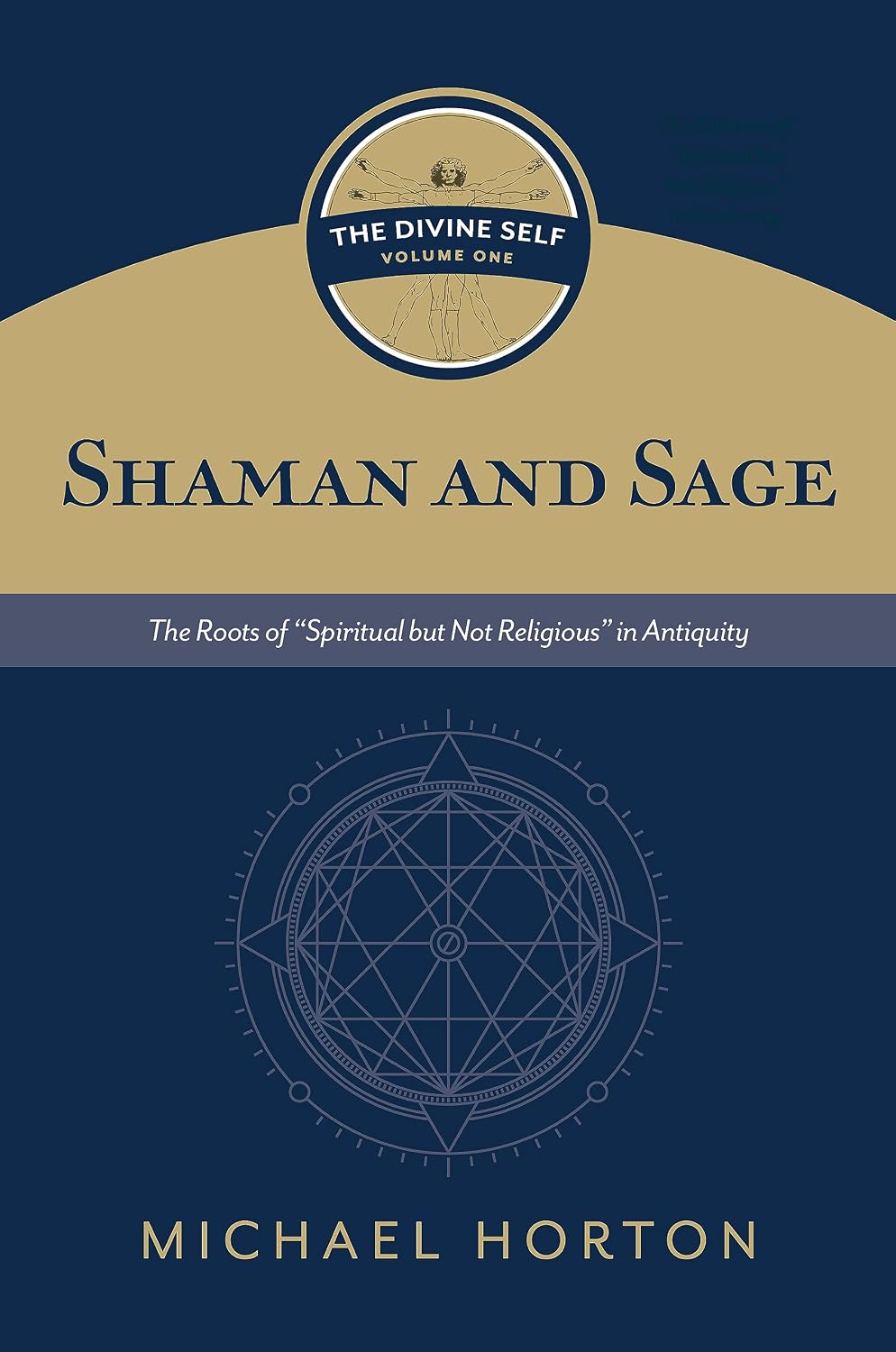
The first volume of Michael Horton's magisterial intellectual history of "spiritual but not religious" as a phenomenon in Western culture
Discussions of the rapidly increasing number of people identifying as "spiritual but not religious" tend to focus on the past century. But the SBNR phenomenon and the values that underlie it may be older than Christianity itself.
Michael Horton reveals that the hallmarks of modern spirituality--autonomy, individualism, utopianism, and more--have their foundations in Greek philosophical religion. Horton makes the case that the development of the shaman figure in the Axial Age--particularly its iteration among Orphists--represented a "divine self." One must realize the divinity within the self to break free from physicality and become one with a panentheistic unity. Time and time again, this tradition of divinity hiding in nature has arisen as an alternative to monotheistic submission to a god who intervenes in creation.
This first volume traces the development of a utopian view of the human individual: a divine soul longing to break free from all limits of body, history, and the social and natural world. When the second and third volumes are complete, students and scholars will consult The Divine Self as the authoritative guide to the "spiritual but not religious" tendency as a recurring theme in Western culture from antiquity to the present.

A stunning history of "spiritual but not religious" thought in Western culture
In this second volume of The Divine Self series, Michael Horton explores changing conceptions of the divine self during the historic period from the Renaissance to the Scientific Revolution--a tumultuous era of rethinking humanity's relationship to God and nature.
In Horton's telling, this period is characterized not by steady diminishment of magic and orthodox religion and a corresponding rise of rational science, but rather by lively and productive interaction between these influences. Horton examines what is at stake for the divine self in this growing tension between magicians and Baconians, and what role each plays in the development of the modern self. He analyzes the work of renowned historical figures--Luther, Erasmus, Descartes, and Hobbes, to name a few--but also illuminates the activities of lesser-known individuals and groups that were profoundly influential in their time. From the gardens of Renaissance popes and dukes to Newton's alchemical pursuits, life during this period is characterized by an intense search for the sacred and a desire for fulness--forces that lay the groundwork for the "spiritual but not religious" phenomenon as we know it today.
Magician and Mechanic occupies an important place in a monumental three-volume study of the divine self. The first volume surveys antiquity through the late Middle Ages; the third volume (forthcoming) will span the eighteenth century through the present day. When the series is complete, The Divine Self will stand as the authoritative guide to the "spiritual but not religious" phenomenon in Western culture.